How to Use Eagle Eye to Track Animals in Red Dead Redemption 2
Use Eagle Eye to reveal a trail, follow the right animal without rushing, and identify it before taking a shot.
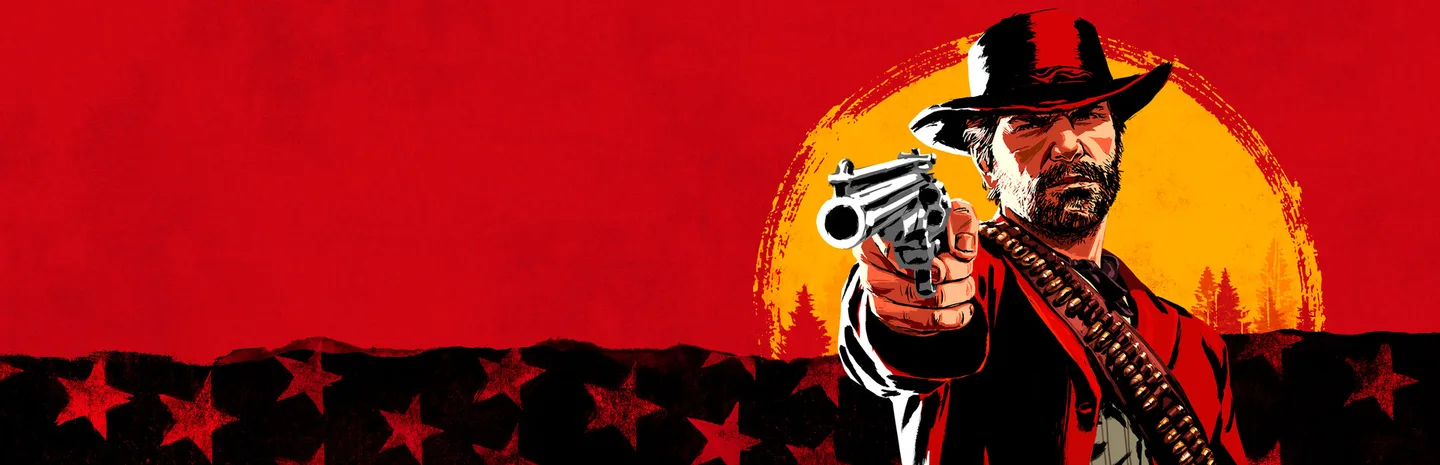 Eagle Eye to Track AnimalsArt: Rockstar Games
Use Eagle Eye in Red Dead Redemption 2 story mode to see nearby animal trails, then focus on the trail you intend to follow. Move along the highlighted route and look ahead for the animal. When you reach a good view, identify the species and its condition before deciding whether to shoot. Eagle Eye helps you find the animal. You still need to choose the approach and weapon.
Pick and follow one trail
- Stop near an area with animal activity. Check your Eagle Eye control if you haven't used it recently. On a controller, the usual input is pressing both sticks together.
- Activate Eagle Eye and look for trails or clues. Turn the camera until the one you want is clearly visible.
- Focus on the desired trail using the displayed prompt if available. Follow it at a controlled pace.
- Use Eagle Eye again when the line fades or splits. Confirm you are still following the same trail before moving on.
- Stop when the animal comes into view. Study it from a safe distance before preparing a shot.
Several trails can cross in the same clearing. Check what you are following before you choose a direction. If you lose the line after moving quickly, return to the last place you saw it and activate Eagle Eye again. Reorient there instead of continuing in a straight line based on a guess.
Keep the ground and your surroundings in view. The trail can take you around a rock, into brush, or near another animal. Slow down when you can't see what is ahead. It is easier to approach a target when you notice it before you step into the open.
Approach without driving the animal away
When the trail is fresh and the terrain opens up, slow down. Use cover and choose a route that lets you see the animal without walking directly toward it. Check the wind and scent cues where available. If your approach would carry your scent toward the animal, move around it when you have room.
Try observing from farther away first. Use binoculars or the game's study prompt to identify the animal. If you're hunting for a particular pelt, check its quality and the recommended weapon. Decide whether this animal meets the goal before spending time moving into a difficult shot position.
For example, if you are following a deer trail into a clearing, stop at the edge and look across it. Identify the animal and choose the angle before stepping out. If the animal moves behind cover, wait or find another clear position. Rushing the last few steps can undo the careful work that got you there.
Use clues when a legendary hunt asks for them
A legendary hunt can use clues instead of a simple ordinary-animal trail. Follow the prompts in the hunt area and inspect the clue the game identifies. Use Eagle Eye to find the next relevant sign and continue only once the hunt advances. If you see several trails, look for the one tied to the clue you just inspected.
Read the message on screen when the hunt doesn't begin. Activity in the area or another restriction can affect when the animal is available. Move away or come back later if the game directs you to do so. Don't fire at a different animal simply because it is the only thing visible.
Recover a trail that fades
If the trail disappears, stop and use Eagle Eye again near the last visible section. Scan in several directions. Check whether you were looking at a nearby crossing trail or whether the target changed direction. If the animal has already fled and you can't find a useful line, look for another nearby sign rather than rushing blindly through the area.
If you see the animal but can't get a clear shot, stay back and choose a safer angle. A clean result depends on identifying the target and using the right equipment. The trail gets you close enough to make that decision.
For your first practice hunt, follow one ordinary animal until you can identify it without alarming it. The useful sequence is to reveal the track, confirm the route when it changes, and observe the target before doing anything that makes it run.
More Red Dead Redemption 2 guides
-
Art: Rockstar Games
How to Hunt and Sell Perfect Pelts in Red Dead Redemption 210 Nov
-
Weapon WheelArt: Rockstar Games
How to Use the Weapon Wheel on Horseback in Red Dead Redemption 211 Nov
-
Art: Rockstar Games
How to Rob a Train in Red Dead Redemption 210 Nov
-
Art: Rockstar Games
How to Pay Off a Bounty in Red Dead Redemption 210 Nov
Sources
This article was written by AI (Claude) and checked against the sources above. Games are updated regularly, so details may change.