How to Sell Valuables and Find Pawn Shops in GTA 6
Take collectible cards to pawn shops and robbery stash bags to fences, then compare the right buyer for each type of loot.
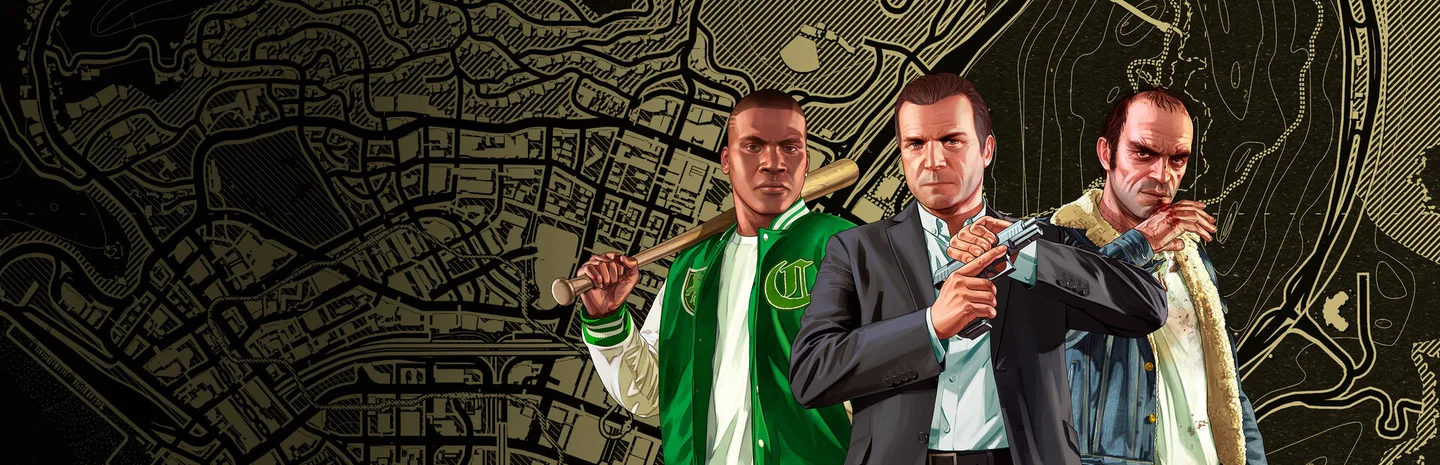 Art: Rockstar Games
In GTA 6, sell collectible cards at pawn shops and take stash bags of narcotics, jewelry or marked bills to fences. These are different selling systems: a bag from a robbery is not handled like an individual collectible card.

Open the map and read the business or buyer description before traveling. Pawn shops advertise collectible buying, while fence information shows how well that contact pays for the categories in your stash bag.
Identify what you are carrying
Start with the item itself. Did you pick up a collectible card, or did your character fill a duffel bag during a robbery? That distinction tells you where to go.
Do not assume everything valuable belongs at the nearest shop. A buyer can be perfectly functional and still be the wrong destination for your loot.
If you have several kinds of rewards, handle them as separate stops. Sell collectibles through the shop interaction, and deliver the robbery bag through the fence's drop-off system.
1. Find a pawn shop through its map description
Inspect pawn-shop listings and read the details to confirm that the location buys collectibles. Named examples include Hamlet Pawn, Avery Pawn and Buck's Jewelry & Pawn.
Use the map's actual location and route rather than searching for a generic store icon without reading its name. Some of these businesses also appear in robbery-related information, which does not mean you must rob them to sell a collectible.
Approach as a customer when your goal is a sale. Leave weapons put away and use the normal shop interaction. Starting a confrontation only interferes with the transaction you came to complete.
2. Sell collectible cards through the shop
Bring the cards you have found and inspect their displayed selling values. Rarity affects value, but do not assume every card with the same color has one universal price.
Check the item list before confirming, particularly if you are trying to understand the value of a newly found card. The number shown in your own sale interaction is more useful than a broad estimate from another player's collection.
Selling a found card does not erase its recorded collection progress. You can turn the pickup into money without holding every physical card until you finish the set.
3. Keep track of variants and duplicates
Different color variants of a card can count separately toward a set. An extra copy of the same variant is a duplicate rather than another unique entry.
Check the collection screen when you find something with a familiar name. That helps distinguish a genuinely new variant from a repeat pickup.
If your goal is completion, record the missing variant rather than only the character or card name. That saves a return journey to a location that offers a version you already found.
4. Bring robbery bags to a fence
Stash bags typically hold narcotics, jewelry or marked bills. Take them to an available fence and use the designated drop-off interaction.
Early contacts include Brian and Donnie, with other buyers becoming available through the story. Availability can change as you progress, so use the contacts actually shown in your current save.
If you need the early introduction, see Brian's Lockup. Completing that tutorial teaches the difference between carrying stolen products and receiving their eventual payment.
5. Compare the buyer with the bag's contents
Hover over an available fence on the map and compare its payment ratings for the relevant goods. A contact who pays well for one category may be less attractive for another.
There is no need to treat a distant buyer as automatically better. Consider the value difference alongside the trip and the risk of transporting a bag you have not sold yet.
For a small early take, completing the delivery safely may matter more than optimizing every dollar. For a larger haul, checking the buyer before setting off becomes more worthwhile.
6. Store bags carefully if you delay selling
A compatible vehicle can hold stash bags in its trunk or rear storage. Capacity differs by vehicle, so check what yours actually accepts.
Storage is not the same as cashing out. A bag remains cargo until sold, and a vehicle involved in a failed escape can put that cargo at risk.
If you are finished with the robbery, make the fence visit your next objective rather than carrying the proceeds into another risky activity unnecessarily.
Common selling mistakes
Taking a robbery bag to a pawn-shop counter. Use a fence for the bag's narcotics, jewelry or marked bills.
Expecting collection progress to vanish after a card sale. Found cards remain recorded in Collections.
Assuming every named card is a new discovery. Check the variant and whether it is a duplicate.
Reading a robbery estimate as a guaranteed sale price. Inspect the actual item or buyer information.
Leaving a bag in an arbitrary stolen car. Confirm your storage arrangement and complete the sale when practical.
Once you identify the loot category, the process becomes straightforward: pawn shop for collectible cards, fence for robbery goods, and the displayed transaction information for the amount you will receive.
More Grand Theft Auto guides
-
GymsArt: Rockstar Games
How to Unlock Gyms in GTA 620 Nov
-
Assassin Nipper .38 PistolArt: Rockstar Games
How to Find the Assassin Nipper .38 Pistol in GTA 620 Nov
-
Smuggler's Gorse 425 ShotgunArt: Rockstar Games
How to Find the Smuggler's Gorse 425 Shotgun in GTA 620 Nov
-
Rocket LauncherArt: Rockstar Games
How to Get a Rocket Launcher in GTA 620 Nov
Sources
This article was written by AI (Claude) and checked against the sources above. Games are updated regularly, so details may change.